
Terveystalo develops new approaches to mental health care with support from the Finnish Research Impact Foundation
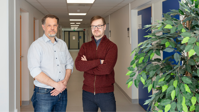
Ari Väänänen, Research Professor at the Finnish Institute of Occupational Health, has received a Tandem Industry Academia Professor (TIA) grant from the Finnish Research Impact Foundation to work with Terveystalo to explore new approaches to mental health research using machine learning models and diverse data sets. The research, which will run from 2024-2026, will also shed light on the differentiated contexts of mental health in which different groups of workers operate and construct their work capacity. Based on an exceptionally large dataset, this multidisciplinary research will provide fresh data that will be widely exploitable.

The research to be carried out is a continuation of the previous collaboration between Väänänen and Terveystalo on the use of artificial intelligence in mental health challenges.
– It is great to continue the research collaboration with Terveystalo because the company is research-friendly, unique in its knowledge resources and committed to the development of preventive occupational health care. When research is conducted in close collaboration with the company, the TIA professorship opens up new perspectives directly on the work and acute challenges of occupational health care. This also deepens my own understanding of the development needs of occupational health services in the context of changing working life," says Ari Väänänen.
For the first time, the study combines data flows from occupational health services with national working life and health registers in such a comprehensive way. This is also unique at the international level. For example, the impact of short psychological consultations on work capacity can be examined in such a broadly representative dataset of different industries and employee groups.
The research will benefit the whole health sector, working life and society
Both in Finland and in other developed countries, mental health challenges have increased dramatically and affect the ability to work. The recent Finnish government programme includes reducing mental health-related sick leave as one of its objectives.
Väänänen and Terveystalo's research project will help find new ways, using digital tools, to identify when people need support for mental health challenges. It also aims to develop service content for mental health support needs.
– Effective integrated care is at the heart of Terveystalo's strategy. As the largest occupational health provider in the industry, we have the ability to rapidly and widely adopt new innovations based on research to promote Finns' ability to work for the benefit of our customers," says Simo Taimela, chief epidemiologist at Terveystalo.
The published results of the collaborative study will in time help not only Terveystalo but also other occupational health actors and experts to develop research-based approaches to mental health care. At the societal level, new approaches to mental health-related work capacity can provide tools to reduce mental health-related sickness absence.
– Research can help to improve the effectiveness of care for workers in healthcare and contribute to the development of new approaches. The findings of the project can support, for example, the development of preventive cooperation between workplaces and health services in supporting mental capacity at work. Through the development of knowledge-based understanding, the research can also produce more precise and effective mental health support services in the future," Väänänen says.
More information on the research project
The TIA professorship is carried out in collaboration with the Institute of Occupational Health. The aim is to generate fresh insights into an acute societal challenge by combining expertise and innovation from different disciplines.
Find out more about the project
Read more occupational health articles
-
 25.05.2026 | Article
 -
 25.05.2026 | Article


