
Extensive data set of 200,000 samples: Nightingale study reveals link between illness risks and sick leave
Data from the Finnish Nightingale study, which is used in Terveystalo's occupational health services, reveals a clear link between lifestyle-related health risks and sick leave. The exceptionally extensive data set of over 200,000 customers shows that people with a low risk of illness had significantly fewer absences, while those in high-risk groups had more absences. The results highlight the importance of preventive healthcare in ensuring work ability and the competitiveness of companies.

In Finland, the aging population and increase in lifestyle-related diseases are challenging healthcare and working life. According to forecasts, around 30% of Finns will be over 64 years old in 2030, and by 2035, 38% of the population will be obese (body mass index over 30).
Physically light but cognitively demanding work increases stress, and the most common causes of disability—mental health disorders and musculoskeletal disorders—are strongly linked not only to sick leave but also to reduced work performance.
Extensive data: results from over 200,000 customers
Terveystalo examined the results of Nightingale studies of more than 200,000 occupational health customers and their connection to sick leave. The results show that people with a low risk of illness have significantly less sick leave. Regardless of age and biological sex, people at high risk had more absences than average, and the presence of multiple simultaneous risks further increased the number of absences.
"We also know from other evidence that people with lifestyle-related challenges have lower work performance and a lower quality of life than their peers. There are therefore strong grounds for prevention, both for the benefit of the organization and the individual, says Ilse Rauhaniemi, Chief Physician of Preventive Healthcare at Terveystalo.
Investing in prevention reduces costs and improves productivity. Group-level data helps organizations target measures where the risk is greatest. When employees see their own risk reports, they gain a concrete understanding of how their lifestyles affect their work ability and absences. Small changes—exercise, nutrition, and sleep—can significantly reduce risk, and occupational health services provide support so that everyone can take responsibility for their own well-being. ”
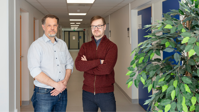
Ilse Rauhaniemi

The analysis is based on an exceptionally large amount of data, even on a global scale, which has been collected over a two-year period by Terveystalo's occupational health services.
Preventive healthcare is a competitive factor
Research developed by Nightingale Health identifies the risks of lifestyle-related diseases from a single standard blood sample. Terveystalo utilizes the method in its occupational health services, providing employees with a personalized risk report and employers with a group-level overview of their staff's health. This enables preventive work ability management and supports lifestyle changes that reduce the risk of illness and strengthen work ability and functional capacity.
"Prevention is part of managing health, work ability, and the company's competitiveness—not as an individual service, but as a way of doing business. Health risks should be managed like other business risks: group-level data supports strategic measures, and lifestyle changes can address the root causes of sick leave. The results confirm that data-driven prevention in occupational health is an effective way to reduce risks and support employee well-being, summarizes Chief Physician Rauhaniemi.
Read more occupational health articles
-
 25.05.2026 | Article
 -
 25.05.2026 | Article


