
How technology helps relieve mental stress: "When the load is high, the threshold must be low."
Mental health disorders have overtaken musculoskeletal disorders, which had long been the leading cause of sick leave. Work is changing, and the range of sick leave caused by mental health issues has also changed. We must be able to offer new solutions to this challenge.

According to estimates by KELA, absences due to mental health challenges cost Finland more than €1 billion per year in lost productivity.
Between 2018 and 2024, Terveystalo's statistics on absences due to mental health issues show that absences due to mood disorders have decreased, while absences due to neurotic disorders have increased.
Kela's statistics only include diagnosed mental illnesses. According to psychologist, Doctor of Psychology, and psychotherapist Aino Kohtala, burnout is a condition for which there is no actual diagnosis. It arises when work-related stress becomes prolonged and unmanageable—when the demands placed on a person exceed their ability to cope.
There will always be peaks of stress in life, and that's okay; a little stress can even help you get things done and meet deadlines. But when stress is prolonged and constant, it begins to threaten your health. When it becomes chronic, exhaustion affects your cognitive abilities and cynicism towards everything, especially work, increases, says Kohtala.
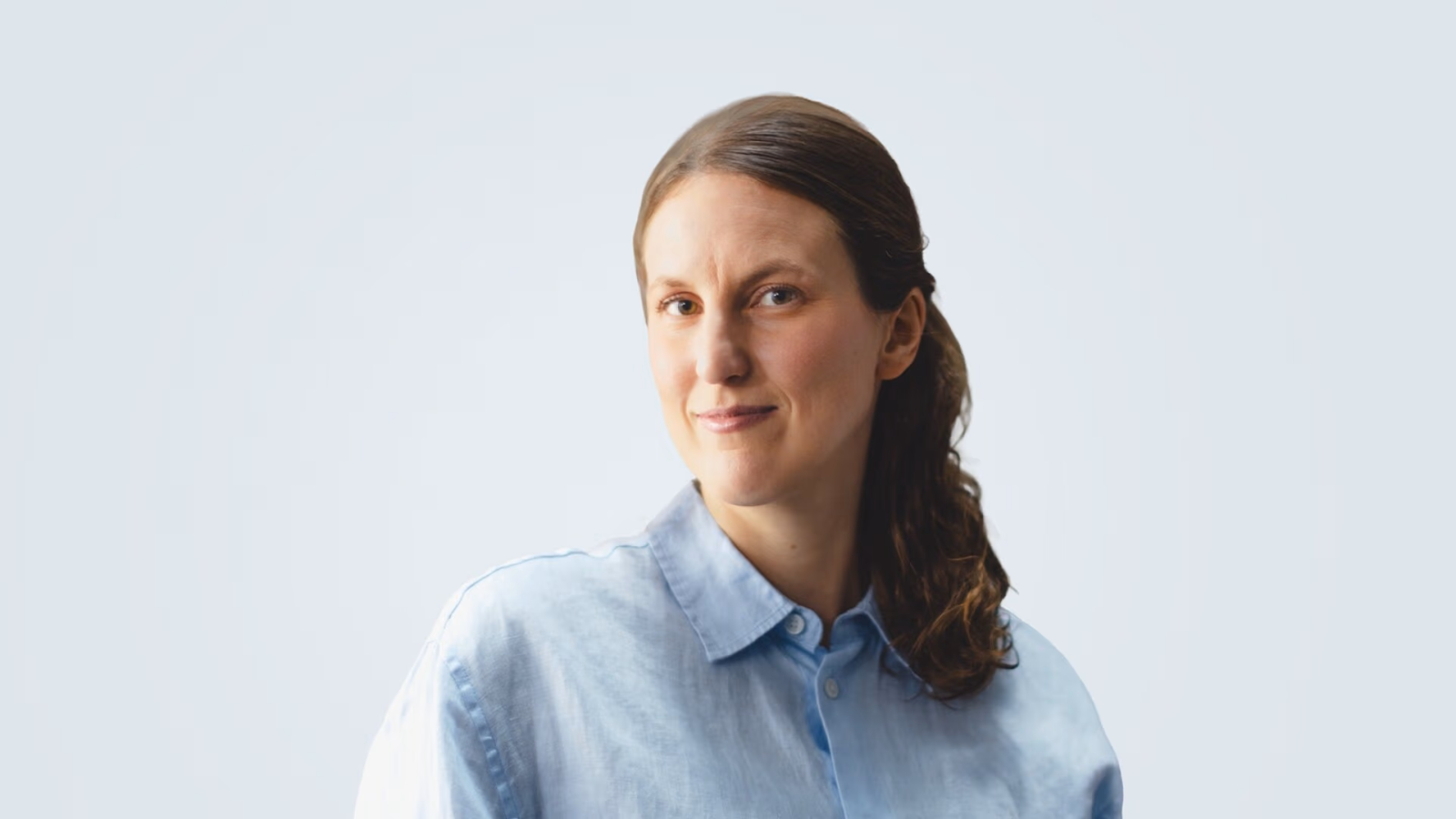
Aino Kohtala from Terveystalo knows how excessive stress can affect your health when it goes on for too long. Help needs to be easy to get so you can deal with exhaustion before it's too late.
The demands of working life are increasing – stress creeps up unnoticed
In addition to uncertainty, working life is more demanding than before. Previously, we did simpler physical tasks, but now we do tasks that particularly challenge the brain's ability to learn, process information, and solve problems.
It is no longer enough to be skilled with your hands; even in physical fields, you need service skills and interaction skills. Expert work is constantly increasing, and that work is fragmented. There is a huge amount to remember and constant interruptions. Managing the palette is extremely stressful, and you have to be able to react to excessive stress in time, says Kohtala.
While some people are exhausted by the demanding nature of their work, others are exhausted by the lack of challenges.
A lack of influence is a major stress factor regardless of the job or field. In knowledge and expert work, it is difficult for many to set boundaries between work and working hours, and this is exacerbated by poor management and various conflicts in the work community. In the social and health care sectors, a particular challenge is not only the lack of resources, but also the ethical burden of the work. Few people are able to influence these issues themselves.
According to Kohtala, exhaustion often creeps up on you. It can be difficult to recognize the subtle signs in yourself; often, it is those around you who notice the challenges first.
"We are often unable to realistically assess our own coping abilities. We push ourselves, thinking that everything is fine and that we are doing well, even though someone close to us may have noticed that we have been quieter, more irritable, or more forgetful than before. People usually ask about coping for a reason, so it is worth listening carefully to the answers to questions about coping, says Kohtala.
We are not always able to assess our own coping abilities realistically. When it continues for a long time, stress begins to threaten our health. ”
Support from supervisors and low-threshold assistance are crucial
According to Kohtala, it is important for supervisors to stay in touch with how their teams are doing. Supervisors need to find time to meet with their team members, ask how they are doing, what is on their desk, and how they are coping with their work. The threshold for asking for help is high, even when encouraged to do so.
In a situation where the workload has become too heavy, everything else is left behind. Things that used to feel comfortable may now seem overwhelming. According to Kohtala, taking care of one's own well-being is often the first thing to be pushed aside.
"In these situations, help must be readily available when an acute situation arises," says Kohtala.
Young adults often find it easier to talk about mental health issues than other age groups. They are used to using chat or other communication channels, for example, and sometimes a direct phone call or remote consultation can be a bigger hurdle. Young adults are particularly prone to mental health issues.
When it is difficult or even impossible to seek professional help when feeling overwhelmed, Mielen chat is an easy channel to get in touch.
"You don't have time to put it off and wonder whether you should or shouldn't, and you don't have to figure out on your own who the right mental health professional is. A stressed person needs to feel that help is at hand, that someone is taking charge, managing the situation, and moving it forward, says Kohtala.
The speed of access to treatment is very important. Technological solutions build bridges to people. ”
Low-threshold services and data-driven approaches strengthen work ability
From the employer's perspective, low-threshold services effectively prevent the chronic exhaustion that threatens work ability and the long-term symptoms it causes.
"The speed of access to treatment is very important. Technological solutions build bridges to people," says Kohtala.
A healthy employee generates value for their employer. Various symptoms are treated at the individual level in many different ways and as early as possible, but it is just as important to be able to eliminate the causes of the symptoms.
For organizations, the biggest challenge in terms of work ability and occupational health is identifying and correcting the causes of stress.
Data is needed to gain an overall picture of the challenges of working life and the experiences of employees. Based on this information, we can identify deviations, draw conclusions, and plan the right measures not only to treat the symptoms but also to tackle the root causes, says Joonas Kaijala, Director of Product and Service Management at Terveystalo Occupational Health.

According to Joonas Kaijala from Terveystalo, occupational health experts can identify potential stress factors and risks at the community level from the data collected from customers.
Organizational-level data guides toward more effective solutions
According to Kaijala, organizational-level data is collected from workplace surveys, occupational health questionnaires, employee occupational health visits, and a symptom assessment tool that guides occupational health customers to various treatment channels, such as Mielen chat.
"Occupational health experts can use the data to identify potential stress factors and risks at the community level and consider how they can be managed. What kinds of diagnoses are common in this community, which services are used the most, or is the use of a particular service deviating from previous patterns? This allows us to consider where we should focus our efforts and what kind of service packages and targeted health services could be used to halt developments that are harmful to the organization, Kaijala explains.
According to Kaijala, data, collected and averaged, is the basis of knowledge management. The information gathered from customer relationships, constantly improving computing speed, and machine learning enable more accurate forecasting.
With the help of artificial intelligence harnessed for Terveystalo's own use, detected trend deviations can be addressed more proactively than before, and targeted solutions can be offered more effectively even before the predicted threats materialize.
AI is a support tool. True professionals will continue to consider and implement the right treatment in the future. ”
Artificial intelligence provides a more accurate overview of the situation in the workplace
According to Kaijala, AI capabilities are used to create models that Terveystalo's experts can utilize in the form of care pathways, checklists, and various guidelines, or in the planning of work ability training.
"AI is a support tool. In the near future, AI will provide experts with a potentially very accurate 360-degree view of each organization's current situation, the possibilities of the services in use, and what else is needed. Real professionals will continue to consider and implement the right treatment in the future, says Kaijala.
Kaijala emphasizes the importance of cooperation between the customer organization and Terveystalo's experts in the success of occupational health services.
"Ultimately, it is the customer organization's responsibility to decide how the collected data will be used, but Terveystalo, as an expert partner, will advise on how to interpret the data and what conclusions should be drawn from it at the community level, for example, from the perspective of promoting mental well-being and resources. Focused cooperation makes the impact more targeted and concrete, Kaijala sums up.