
Strategic occupational health partnership and digital occupational health deliver consistent quality and measurable results
For a nationwide organisation, consistent occupational health services and smooth work ability management are essential for achieving impact. At JYSK, there was a recognised need to build an occupational health partnership that operates consistently across all locations and genuinely supports day-to-day management. This is why the partnership focuses on strategic collaboration, digital occupational health services and close cooperation in everyday operations.
JYSK operates across a geographically dispersed network of locations. This places particular demands on occupational health services: support needs to be available quickly, consistently and in a way that suits each situation, regardless of location. At the same time, JYSK had identified development areas that it wanted to address through the partnership.
“We recognised that the management of short-term sickness absences required a more systematic approach, the use of occupational health services needed to be targeted more effectively, and we needed a more consistent overall view of work ability cases. That is why we wanted to build a partnership that genuinely supports everyday operations and works consistently across the entire organisation,” says Jenni Harjuniemi, HR Director at JYSK Finland.
Digital occupational health brings continuity and equal access
The solution was found in a combination of digital occupational health services and a coordinated occupational health partnership. Today, Digital Occupational Health is a key service channel for the majority of JYSK’s organisation.
Its benefits are particularly evident in everyday situations: employees and managers often have the same familiar professional supporting them, continuity and a comprehensive understanding of work ability cases can be maintained, and access to services is not dependent on physical location. As a result, Digital Occupational Health has become an active part of JYSK’s overall work ability management, rather than simply a convenient service channel.
“Digital Occupational Health ensures that the value of occupational health services is delivered consistently at every location and in every work ability situation,” Harjuniemi says.
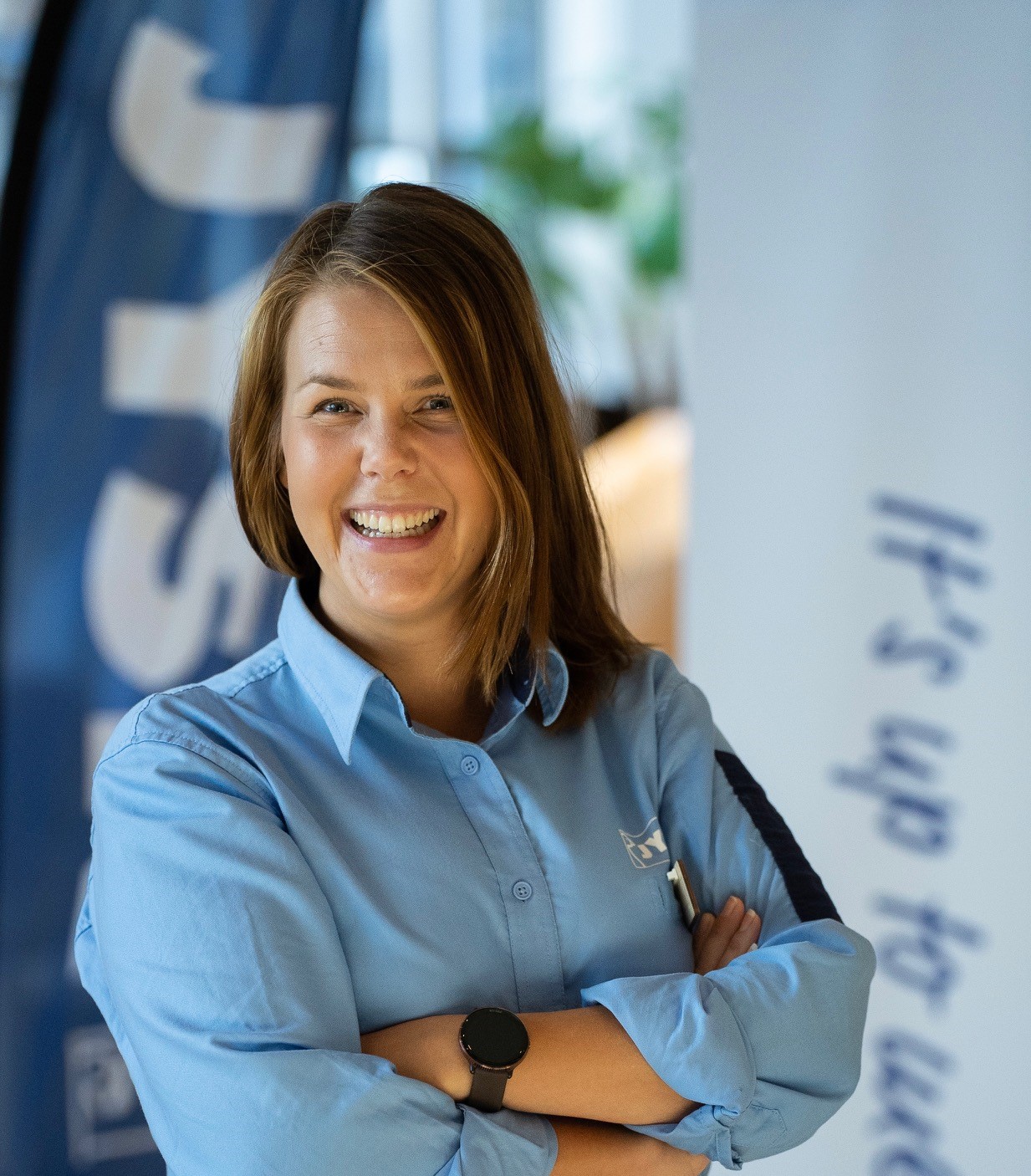
A successful occupational health partnership is built above all on a shared understanding of the situation, close day-to-day cooperation and regular assessment of progress. It has been important for us that work ability cases are addressed jointly by managers, HR and occupational health professionals, and that our cooperation is based on shared objectives, open dialogue and a commitment to putting agreed actions into practice ”
Jenni Harjuniemi, HR Director, JYSK Finland
At JYSK, work ability management is viewed as a combination of two parallel dimensions: long-term development and fast, practical action in everyday situations.
“Work ability management is both a marathon and a sprint. The direction needs to be clear, but results are ultimately created through concrete everyday actions. Digital Occupational Health acts as a bridge between the two, bringing continuity to strategic development and speed to daily situations,” Harjuniemi summarises.
More flexible absence practices have strengthened trust
An important part of developing work ability management at JYSK has been ensuring that occupational health services are used in the most appropriate and effective way. One concrete measure has been the active introduction of a manager-approved absence practice, supported by stronger internal communication to employees.
“Our managers can approve an absence of up to 10 days, although always one day at a time. This absence practice has made everyday situations easier, particularly when a short period of absence enables an employee to recover quickly without unnecessary burden. At the same time, the model strengthens trust between managers and employees,” Harjuniemi explains.
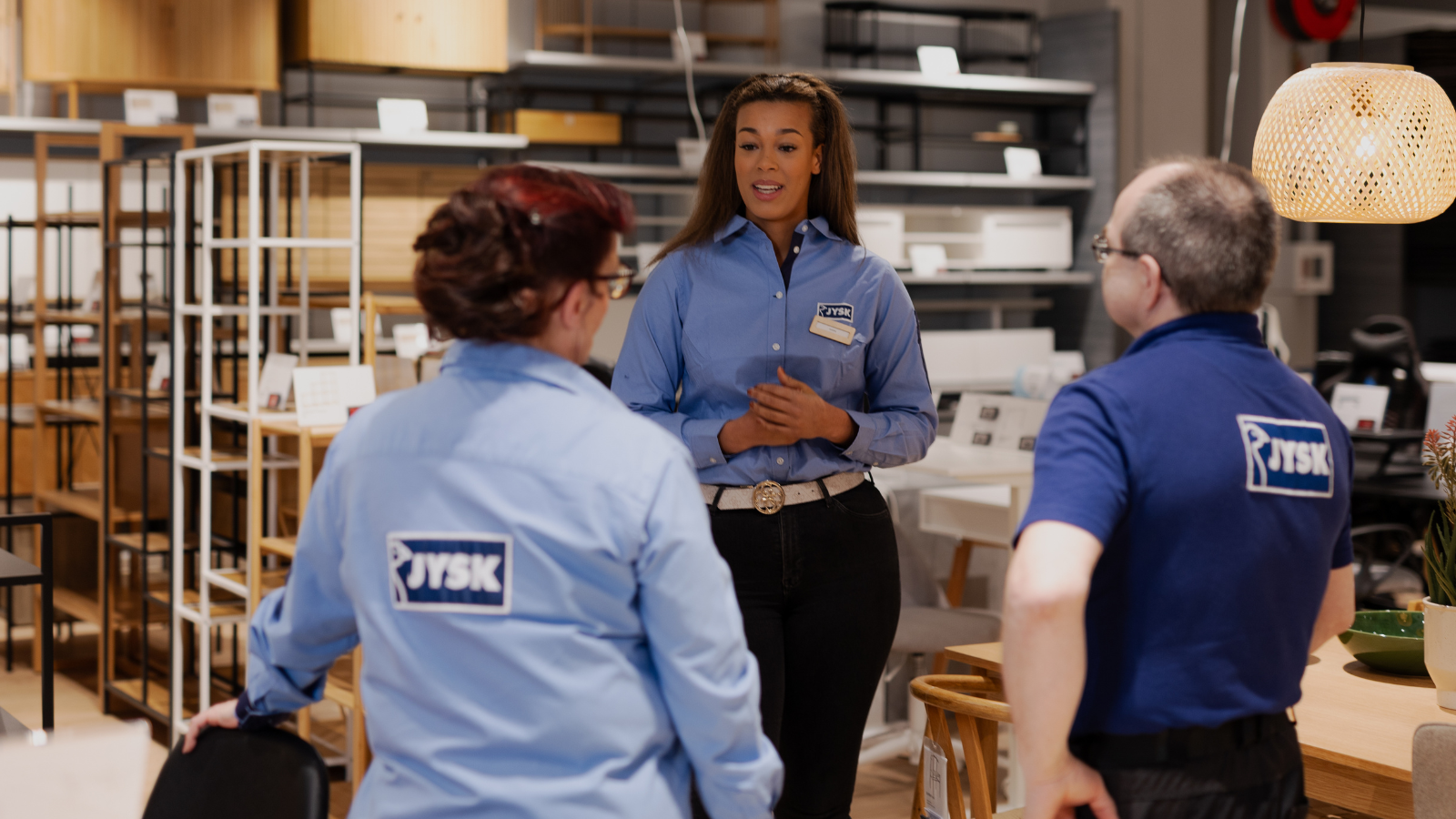
As a result, the number of appointments related to short-term illness has decreased, freeing up occupational health resources for work where they can have greater impact.
This has enabled us to focus more on the areas where occupational health can provide the greatest value: preventive work and supporting work ability. In fact, preventive services now account for more than 60% of our occupational health activities.” ”
Jenni Harjuniemi, HR Director, JYSK Finland
Timely and appropriately targeted support delivers measurable benefits
At the same time, JYSK’s overall approach to work ability management has become stronger, which is also reflected in measurable results: total absences have decreased by nearly 10%, the costs associated with sickness have fallen by approximately 10%, and sickness absence days per employee have decreased by an average of one day.
“This development reflects not only more efficient use of resources, but also the fact that employees receive support at the right time and managers are better equipped to handle work ability issues in their everyday work. In this way, effective occupational health cooperation concretely supports both employee work ability and business efficiency,” Harjuniemi says.