
Quantum company determined to retain its top talent: “There are no innovations without people”
Espoo-based quantum computing company QMill sees people as its most important asset. As the company grows, preventive occupational healthcare helps support employee wellbeing, work ability and retention in a demanding expert environment.
Top talent is QMill’s most important competitive advantage
QMill has grown from a startup of fewer than ten employees into an international deep tech company with around 30 experts in just two years. The company develops quantum algorithms and software for future quantum computers, but according to Chief Technology Officer Ville Kotovirta, people are at the heart of everything it does.
“Quantum algorithms and the products and inventions based on them cannot be created without people. Our team consists of researchers who are deeply committed to their work and particularly skilled in mathematics, physics and computer science.”
In demanding expert work, the workload is primarily cognitive. Employees in a growing company must also be prepared to adapt to uncertainty, new responsibilities and changing roles. This is why QMill wanted occupational healthcare services that go beyond the statutory minimum from the very beginning.
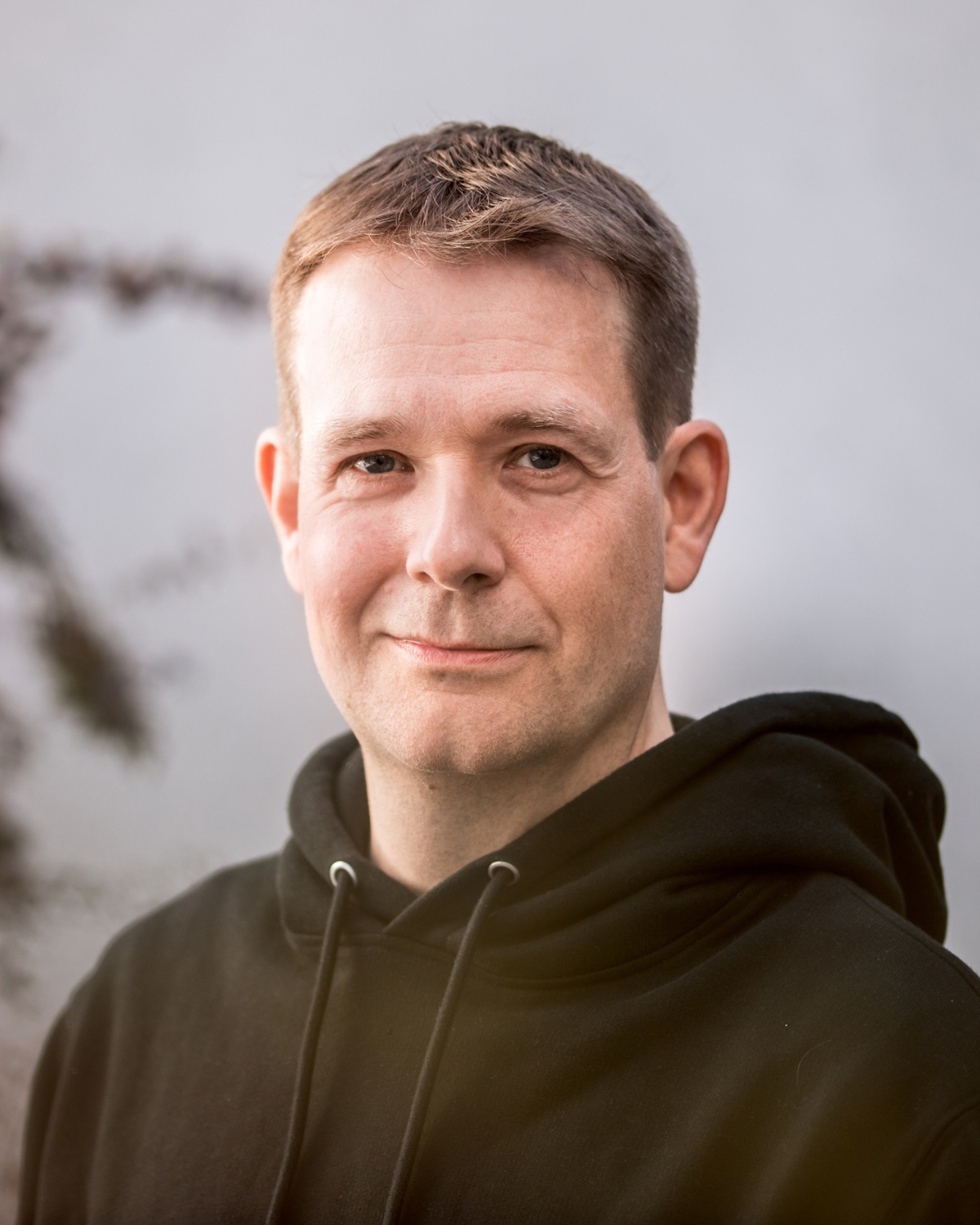
Our occupational healthcare services work without us having to think about them separately. The less corrective support occupational healthcare is needed, the better. ”
Ville Kotovirta, one of QMill’s founders and Chief Technology Officer
A partner that grows with the business
When choosing an occupational healthcare partner, QMill valued clarity, ease of use and scalability. It was important that the services could support an international workforce and grow alongside the company without creating a heavy administrative burden.
The proximity of Terveystalo’s clinic to QMill’s office in Keilaniemi and its familiarity with the local deep tech ecosystem also contributed to the decision.
At QMill, occupational healthcare is seen not only as a way to provide fast access to care, but also as a proactive partner that supports employee wellbeing, the work environment and company management.
“Terveystalo’s occupational healthcare package meets our needs well, and employees can access services in English when necessary,” says Nora Saharanta, Administrative Manager responsible for occupational healthcare cooperation at QMill.
QMill employees have access to occupational health physicians, physiotherapists, psychologists and nutritionists, as well as a wide range of examinations. Comprehensive pre-employment health checks help identify potential concerns early. Employees also benefit from digital services such as remote appointments and mobile services, making access to care easier.
“We can rely on help being easily and quickly available whenever it is needed,” says Kotovirta.
Preventive support in everyday work
For QMill, the most important role of occupational healthcare is preventing risks to work ability before problems arise.
A good example of this cooperation was an ergonomic assessment carried out across the entire office. What began as one employee’s request developed into a workplace-wide initiative where an occupational physiotherapist assessed workstations, working postures and ergonomic practices.
“People were enthusiastic. I would say that around 90 per cent of our employees used the service,” QMill's Administrative Manager Nora Saharanta says.
The assessment encouraged employees to make better use of ergonomic working methods and highlighted small changes that can support wellbeing in everyday work.
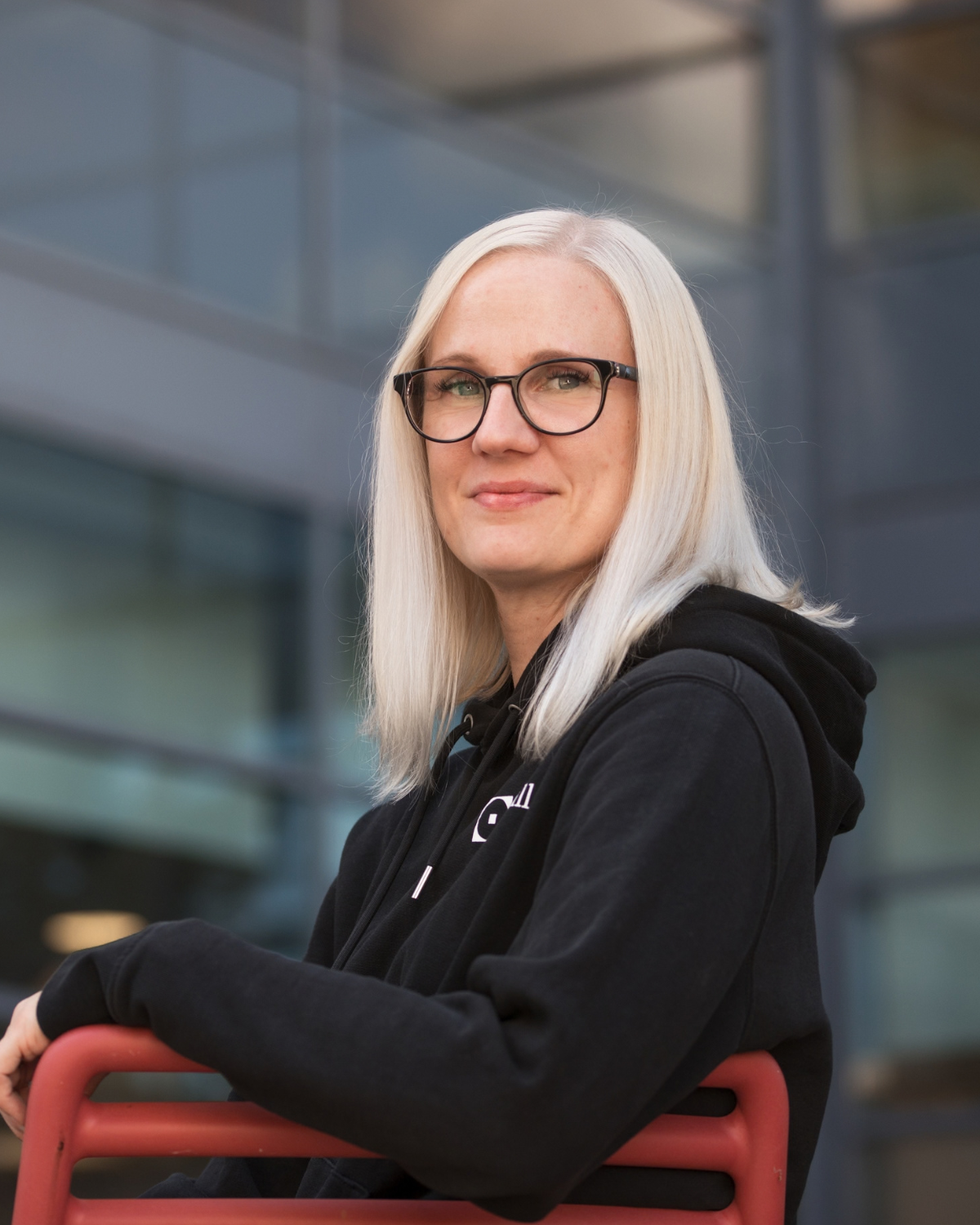
Our occupational healthcare cooperation has been made easy for us. Terveystalo has been a proactive partner. ”
Nora Saharanta, Administrative Manager, QMill
Supporting growth and change
As QMill has grown, the nature of its work has evolved. The company has increasingly shifted from research towards product development and customer projects, while employees’ roles and responsibilities have expanded.
“Researchers may become team leaders. Instead of focusing on a single project, their attention may be divided between several simultaneous projects and internal processes,” Kotovirta explains.
To support wellbeing during periods of change, QMill encourages employees to exercise, recover and maintain healthy habits. The company also values Terveystalo’s proactive approach. Rather than simply responding to requests, Terveystalo actively identifies development needs and proposes actions that support the organisation as it grows.
“When QMill was expanding, our contact person at Terveystalo called and suggested that we update our workplace survey and related guidelines,” Saharanta says.
According to Saharanta, the partnership is most visible in the smooth running of everyday work.
“When a new employee joins us, I enter their details into Terveystalo’s system, and everything else is taken care of there.”
Occupational healthcare as part of the employee promise
Effective occupational healthcare also makes managers’ work easier. When concerns arise about employee wellbeing, support is available quickly and professionally. Occupational healthcare also provides visibility into wellbeing-related trends and helps identify areas for development.
At QMill, occupational healthcare is seen as part of the company’s employee promise. Well-functioning services strengthen employee commitment, support the employer brand and help attract new talent.
“We want to communicate to both our current and future employees that we care about them,” Kotovirta says.
Terveystalo’s occupational healthcare services are well suited to companies that are in a growth phase. The services scale with the company’s growth and work without us having to think about them separately. ”
Ville Kotovirta, Chief Technology Officer and Co-founder, QMill
How occupational healthcare supports a growing company: “Change can place a strain even on top experts”
As a company grows rapidly, the pace of work accelerates, responsibilities increase and job roles may change. According to Jenni Häkkinen-Ribeiro, Occupational Health Nurse at Terveystalo, continuous change requires employees to adapt, which is why it is important to actively identify and monitor risks to work ability.
The role of occupational healthcare is to support companies in promoting employee wellbeing and identifying opportunities to improve everyday working life. A healthy and engaged workforce is one of the most important foundations for sustainable growth.
he workplace assessment forms the foundation of occupational healthcare cooperation. It provides a comprehensive understanding of work, working conditions and the factors that influence work ability. Based on these findings, occupational healthcare professionals can recommend actions that support workplace wellbeing.
During a growth phase, work ability management, managerial support and early support practices become increasingly important. When cooperation with occupational healthcare is active, potential concerns can be identified and addressed at an early stage and in an appropriate way.